
APRIL 26, 1986 — A DAY That HAS DIVIDED THE TIME FOR THE «TO» AND «AFTER» CHORNOBYL DISASTER
At 1:23:47 Kyiv time, the largest man-made accident in human history has occurred — two explosions has occurred with a difference of two seconds at the fourth reactor of the Chornobyl NPP. Total radiation has resulted in isotopes ejected into the air, amounting to 50 million cu? Which is 40 times more than the 1945 bombing of Hiroshima. The power of both explosions was so demolishing that has completely destroyed the cladding of the reactor and tore off the multi-toned top plate of the 4th unit. More than 60 tons of radioactive materials, including isotopes of uranium, plutonium, iodine, cesium and strontium, were blown up.
Immediately after the crash, 31 people have died. 600,000 liquidators involved in firefighting and clearing have received high doses of radiation.
Inhabitants of contaminated areas, as well as all who participated in the elimination of the consequences of the accident, showed a tendency to cataracts, cardiovascular diseases, decreased immunity. In addition, it has been proven that irradiation with small doses of radiation can cause anxiety and aggression and affect the psyche of people and especially children. It is now believed that thyroid cancer and leukemia are the most common disease caused by the release of radioactive substances in Chernobyl.


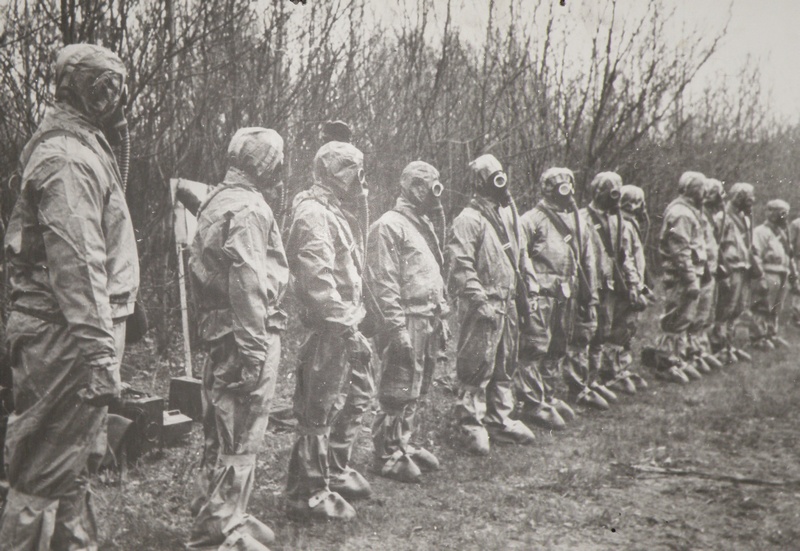
Every day less and less of them are staying alive.
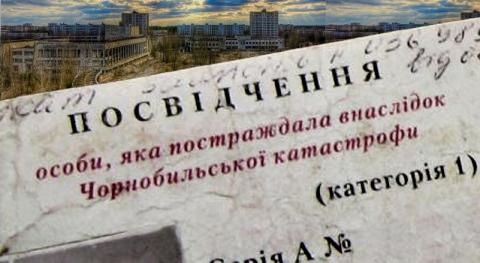
As of January 1, 2019, there are 1 816 838 people registered as victims of the Chornobyl disaster in the regional social protection offices. Recently Chornobyl disaster participants are estimated at 193 799 people, including 57 782 persons with a disability who have a causal link with the Chornobyl disaster (Group I disability — 2 144 persons, Group II disability — 34 189 people, Group III disability — 21 449 persons). Total amount of victims of the Chornobyl disaster is estimated at 1 620 395 people, including 48 501 persons with a disability who have a causal link with the Chornobyl disaster (I disability group 2 405 persons, II disability group — 25 092 persons, III disability group — 21 004 persons ), and 355,426 children.
Want to help right now?
People affected by the Chornobyl disaster are concerned about social protection issues, such as: raising of pension provision, accrual and payment of pension supplements, non-receipt of subsidy and various types of state social assistance, non-accrual of discounts (privileges) for the payment of public utilities, lack of medical supplies and inability to exercise the right of preferential passage in public passenger transport.
Learn more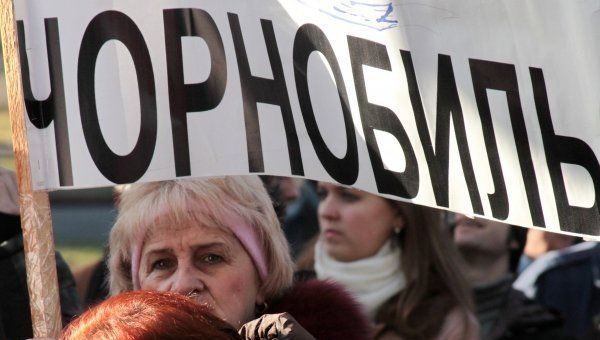

Our team
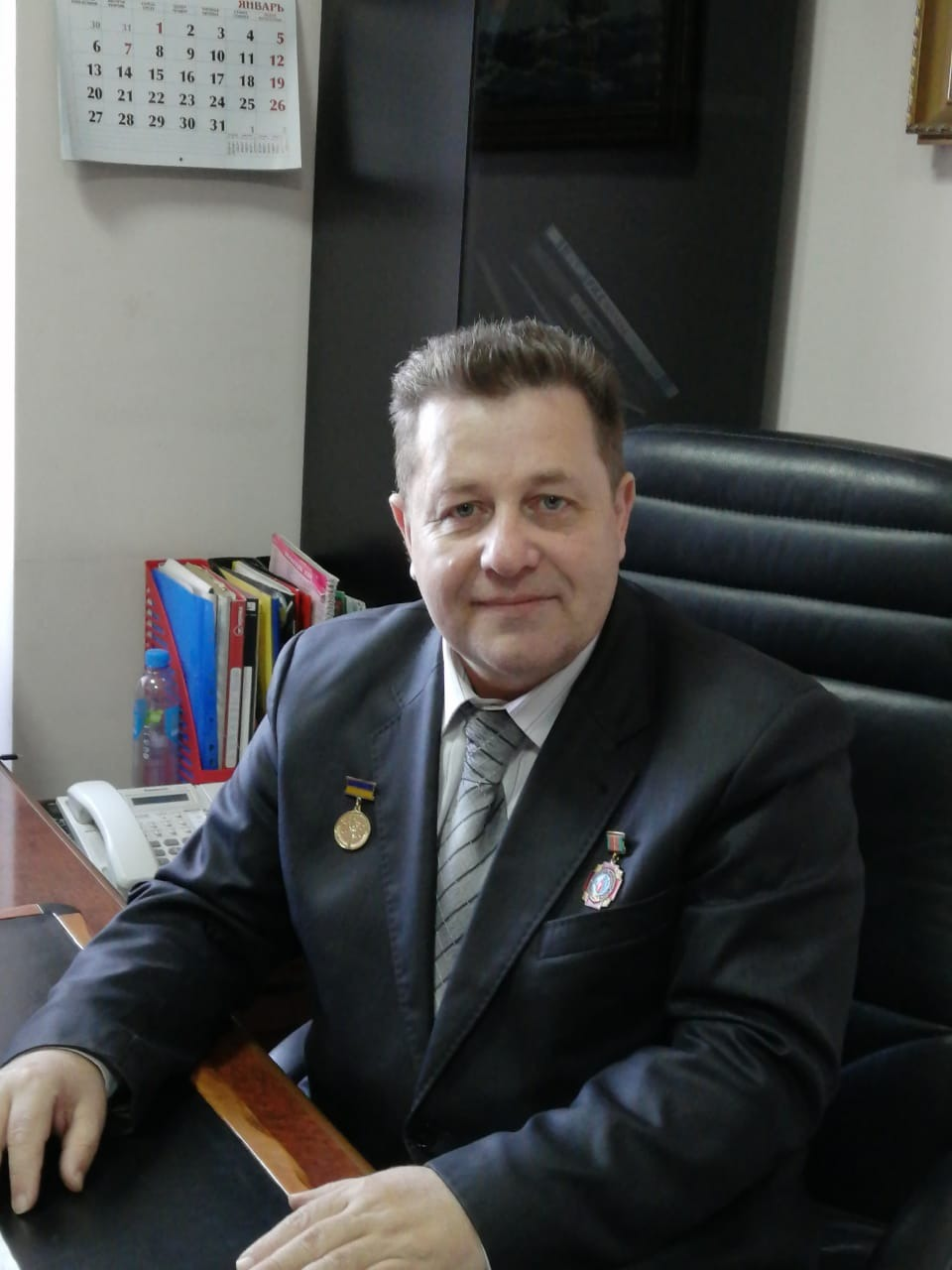
Rekalo Oleksandr
President of the Fund
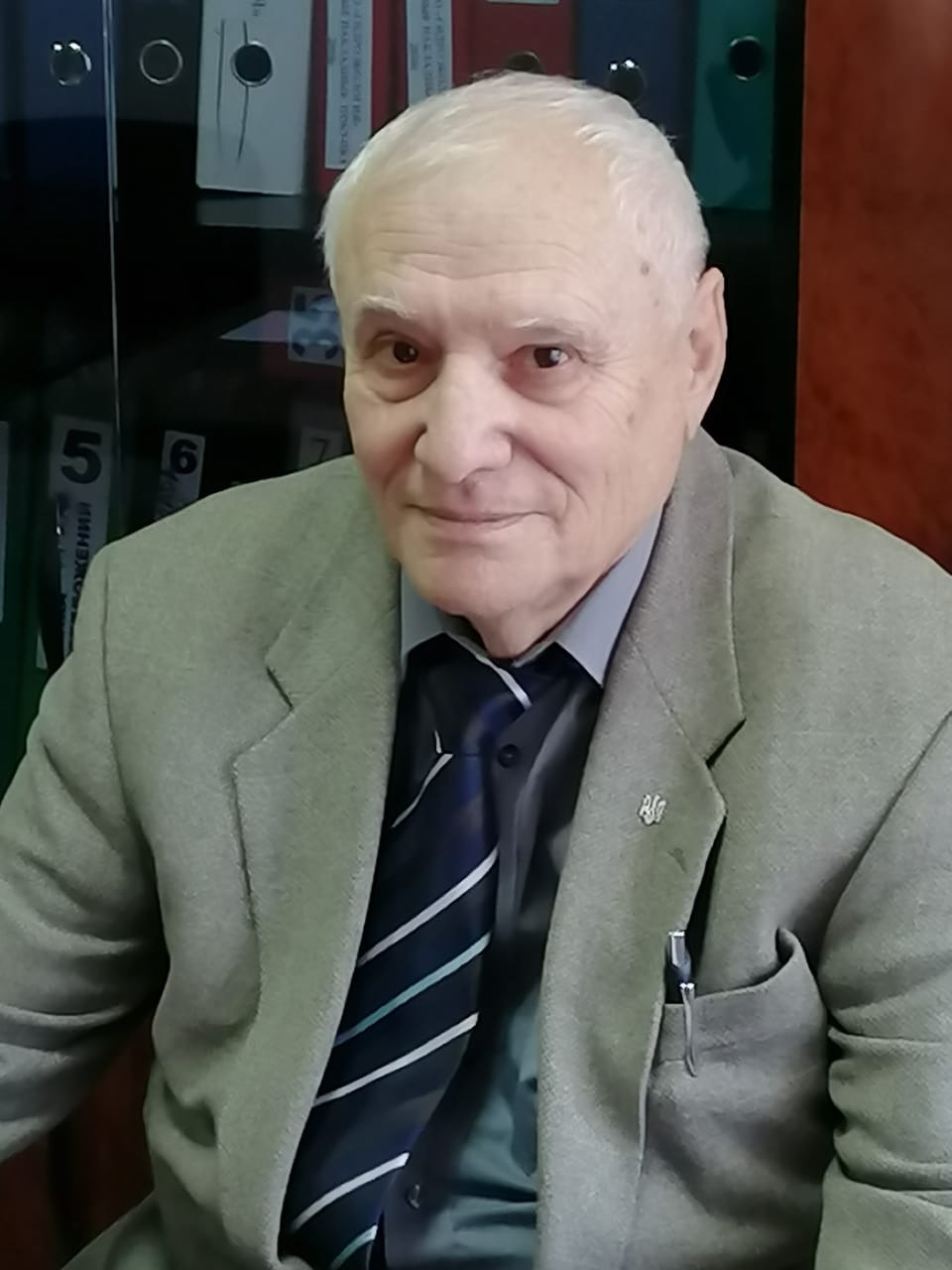
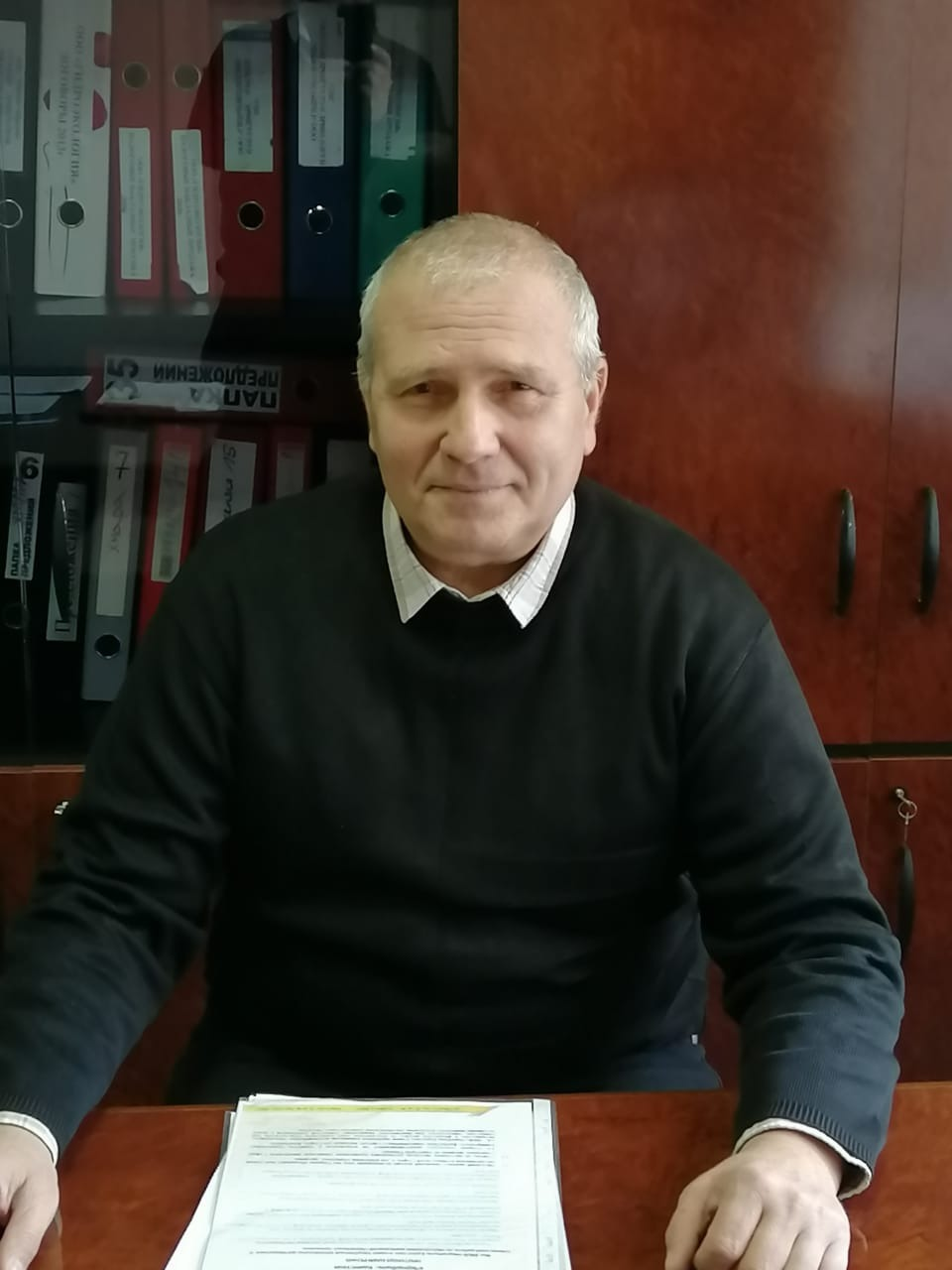
Golub Valeriy
Vice President
Prohorov Yuri
Deputy President for General Affairs
NEWS
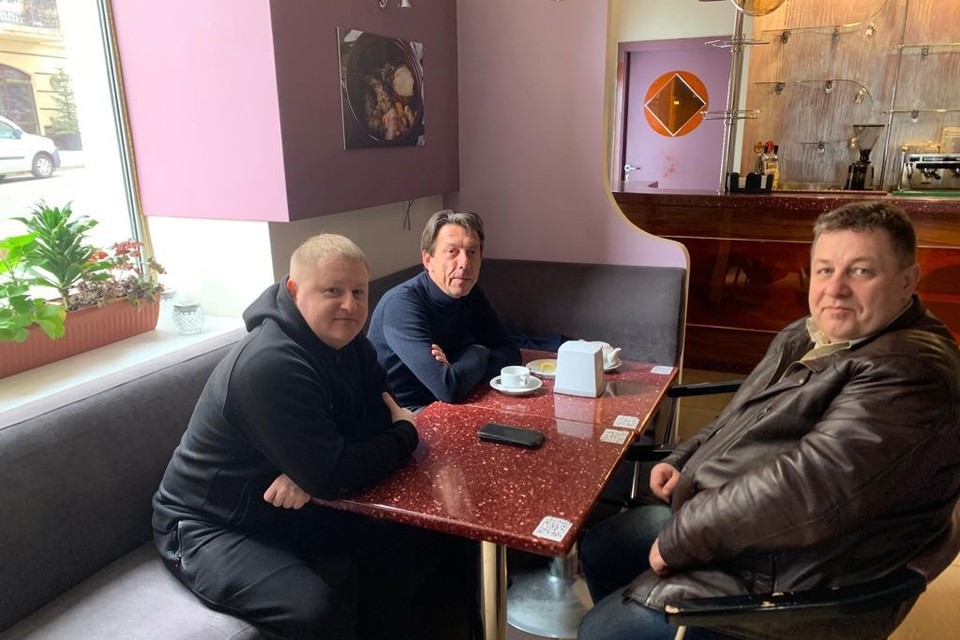
They write about us
Bruno Beckman interviewed the head of the Chernobyl Foundation and his son. https://www.gva.be/cnt/dmf20220420_95424796 original article.[…]
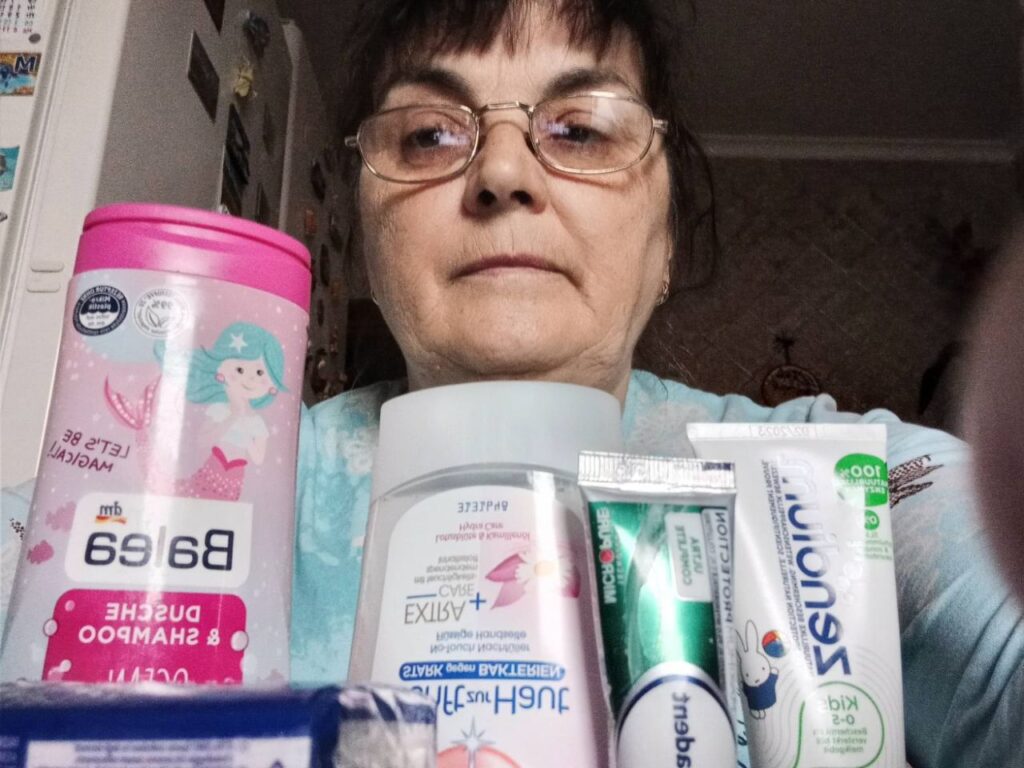
Kharkiv again
Volunteers distributed food, hygiene products and diapers to 65 seriously ill patients in the city[…]
Contacts
Soborny Ave. 59, of. 36, Zaporozhye, 69002.
info@chernobyl.foundation